

Blog
Revolutionizing Your World: The Latest Trends and Innovations in Electronics and Gadgets

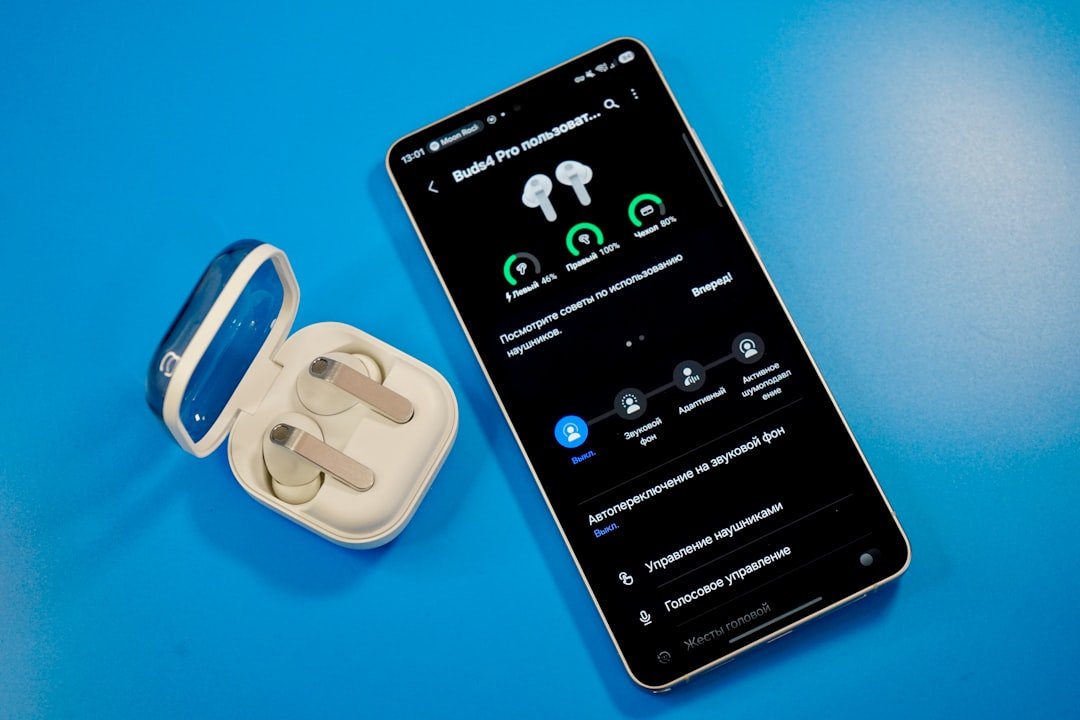
As we step into the future, it’s hard not to be amazed by the rapid advancements in electronics and gadgets. From smartwatches that track our every move to smartphones that can perform tasks we never thought possible, the world of technology is evolving at an unprecedented pace. But what’s driving this revolution, and how can you stay ahead of the curve? In this comprehensive guide, we’ll delve into the latest trends and innovations in electronics and gadgets, exploring the exciting developments that are transforming the way we live, work, and play.
The Rise of Artificial Intelligence and Machine Learning
Artificial intelligence (AI) and machine learning (ML) are no longer just buzzwords; they’re the backbone of modern electronics and gadgets. From virtual assistants like Siri, Alexa, and Google Assistant to smart home devices that learn your habits and adapt to your needs, AI and ML are making our lives easier, more convenient, and more enjoyable. But what exactly is AI, and how does it work? In simple terms, AI refers to the development of computer systems that can perform tasks that typically require human intelligence, such as speech recognition, decision-making, and problem-solving. ML, on the other hand, is a subset of AI that enables machines to learn from data and improve their performance over time.
One of the most significant applications of AI and ML in electronics and gadgets is in the field of voice assistants. Devices like Amazon Echo, Google Home, and Apple HomePod use natural language processing (NLP) to understand voice commands and respond accordingly. But that’s not all – these devices can also control other smart devices in your home, such as lights, thermostats, and security cameras, making it easy to create a seamless and integrated smart home experience. For example, you can use voice commands to turn on the lights, adjust the temperature, or lock the doors, all from the comfort of your couch.
The Future of Display Technology
Display technology has come a long way since the days of bulky CRT monitors and low-resolution smartphones. Today, we have a wide range of display options, from 4K TVs and QLED monitors to OLED smartphones and microLED wearables. But what’s next? One of the most exciting developments in display technology is the emergence of foldable and flexible displays. Companies like Samsung, Huawei, and Motorola are already working on foldable smartphones that can transform into tablets, while others are developing flexible displays that can be worn like a smartwatch.
Another area of innovation in display technology is augmented reality (AR) and virtual reality (VR). AR devices like Microsoft HoloLens and Magic Leap One are using displays to overlay digital information onto the real world, while VR headsets like Oculus Rift and HTC Vive are creating immersive experiences that transport us to new dimensions. But what does this mean for the average consumer? For starters, AR and VR technologies have the potential to revolutionize industries like education, healthcare, and entertainment. Imagine being able to visualize complex concepts in 3D, or exploring virtual environments that simulate real-world experiences.
The Internet of Things (IoT) and Smart Home Automation
The Internet of Things (IoT) refers to the network of physical devices, vehicles, and other items that are embedded with sensors, software, and connectivity, allowing them to collect and exchange data. In the context of smart home automation, IoT devices can include everything from smart thermostats and lights to security cameras and door locks. But how can you create a smart home that’s tailored to your needs and preferences? The key is to start with a smart hub or controller that can integrate multiple devices and systems, such as Samsung SmartThings or Apple HomeKit.
One of the most significant benefits of smart home automation is energy efficiency. By using sensors and machine learning algorithms to optimize energy consumption, you can save money on your utility bills and reduce your carbon footprint. For example, smart thermostats like Nest and Ecobee can learn your schedule and preferences to adjust the temperature accordingly, while smart lights like Philips Hue and LIFX can be controlled remotely to turn on and off when you’re not home.
The Importance of Cybersecurity in Electronics and Gadgets
As we increasingly rely on electronics and gadgets to manage our lives, the risk of cyber threats and data breaches is becoming a major concern. From hacking and phishing to malware and ransomware, the threats are real, and the consequences can be devastating. So, what can you do to protect yourself and your devices? The first step is to use strong passwords and enable two-factor authentication (2FA) whenever possible. You should also keep your software and operating systems up to date, as newer versions often include security patches and fixes.
Another important aspect of cybersecurity is data encryption. By encrypting your data, you can ensure that even if your device is hacked or stolen, your personal information will remain safe. Look for devices and apps that offer end-to-end encryption, such as WhatsApp and Signal, and use a virtual private network (VPN) when browsing the internet on public Wi-Fi networks.
In conclusion, the world of electronics and gadgets is evolving at an unprecedented pace, with innovations like AI, ML, and IoT transforming the way we live, work, and play. By staying informed about the latest trends and developments, you can stay ahead of the curve and make the most of the exciting opportunities that technology has to offer. Whether you’re a tech enthusiast or just a curious consumer, the key takeaways are clear: AI and ML are revolutionizing the way we interact with devices, display technology is advancing rapidly, smart home automation is becoming increasingly important, and cybersecurity is a top priority. So, what are you waiting for? Join the revolution and discover the exciting world of electronics and gadgets for yourself.